If there's one technique that separates good sourdough from great sourdough, it's the cold proof. Also called cold retarding, this simple step — putting your shaped dough in the fridge overnight — transforms your bread in ways that warm proofing alone can't match.
The Cold Proof: Why Overnight in the Fridge Changes Everything
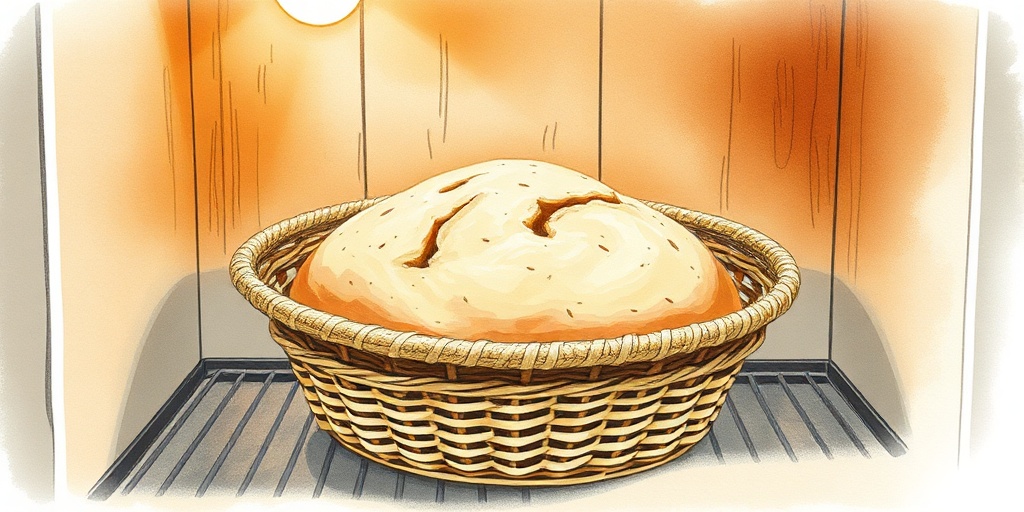
Why Cold Proof?
1. Better Flavor
Cold temperatures slow yeast activity but let lactic acid bacteria keep working. The result: more complex, nuanced flavor without excessive sourness. Think tangy-sweet rather than face-puckeringly sour.
2. Easier Scoring
Cold dough is firm. Your blade glides through it cleanly instead of dragging and sticking. This is why bakeries always score straight from the fridge.
3. Better Oven Spring
The temperature difference between cold dough and a screaming hot oven creates dramatic oven spring. The outside sets while the inside is still expanding.
4. Flexible Schedule
Mix in the evening, shape before bed, bake fresh in the morning. The fridge gives you a 12-24 hour window — your bread waits for you, not the other way around.
How to Cold Proof

- Shape your dough and place it in a banneton or bowl
- Cover tightly with plastic wrap or a shower cap
- Refrigerate at 3-5°C for 12-18 hours (up to 24 for more sour)
- Bake directly from the fridge — no need to warm up first
That's it. No special equipment needed.
Common Mistakes
Too long (24+ hours): The dough can overproof even in the fridge. If your bread comes out flat, you've gone too long.
Not covered properly: The surface dries out, creating a thick skin that prevents oven spring. Seal it well.
Fridge too warm: If your fridge runs above 6°C, fermentation continues faster than expected. Use a fridge thermometer.
Warm vs. Cold vs. Hybrid
Use the CrumbLab simulator to compare proofing methods side by side. Select "Cold" or "Hybrid" under Final Proof and see how it changes your timeline and flavor prediction.
The hybrid method — 1-2 hours at room temperature followed by overnight cold — gives you the best of both worlds: good volume from the warm start, and complex flavor from the cold finish.
✦ ✦ ✦