If you've spent any time in sourdough communities, you've seen people proudly announcing their hydration percentages like badges of honor. "85% hydration open crumb!" But what does hydration actually mean, and why should you care?
Hydration Explained: Why It Matters More Than You Think
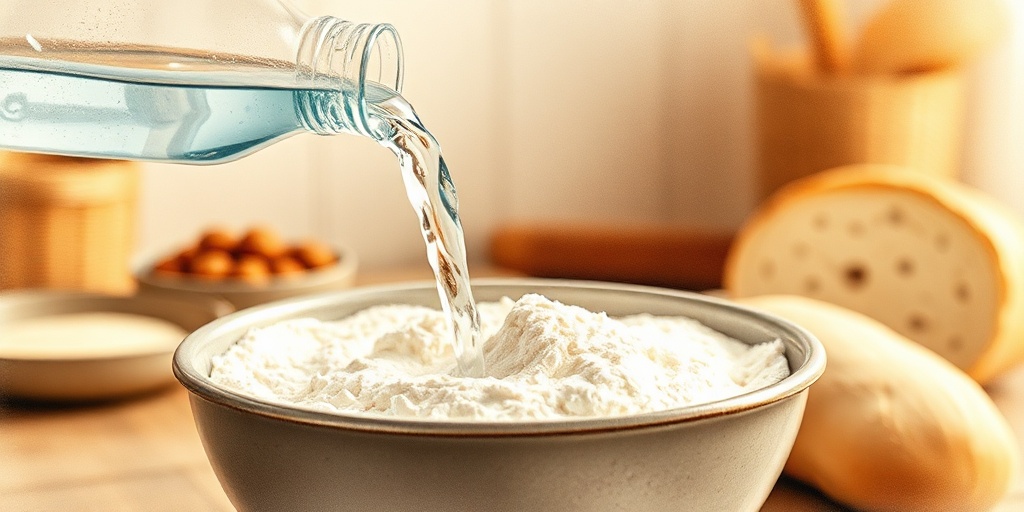
The Basics
Hydration is the ratio of water to flour in your dough, expressed as a percentage.
- 350g water ÷ 500g flour = 70% hydration
Simple math, massive impact on your bread.
The Hydration Spectrum
55-60% — Low Hydration
- Dense, tight crumb
- Very easy to handle
- Think: bagels, pretzels
- Great for absolute beginners
65-72% — Medium Hydration
- The sweet spot for most bakers
- Good balance of open crumb and manageability
- Classic sourdough territory
- Start here if you're new
75-82% — High Hydration
- Open, airy crumb with big holes
- Sticky, harder to shape
- Requires good technique (coil folds help)
- Ciabatta, focaccia territory
85%+ — Very High Hydration
- Extremely open crumb, almost custard-like
- Very challenging to handle
- Not recommended unless you have solid fundamentals
How Hydration Affects Your Bread
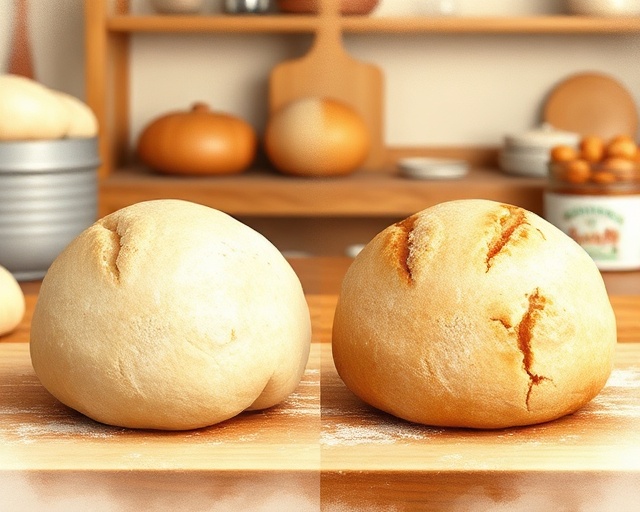
| Aspect | Lower Hydration | Higher Hydration |
|---|---|---|
| Crumb | Tight, uniform | Open, irregular holes |
| Crust | Thicker | Thinner, crispier |
| Flavor | Milder | More complex |
| Handling | Easy | Challenging |
| Oven spring | Less dramatic | More dramatic |
Finding Your Sweet Spot
Here's our advice: start at 68-70% and work up in 3% increments. Each time you increase hydration, you'll learn something new about how dough behaves.
Don't chase high hydration for its own sake. A beautifully shaped 70% loaf beats a pancake-flat 85% attempt every time.
Try It in CrumbLab
Use the simulator to adjust hydration and instantly see how it affects your predicted crumb structure, difficulty level, and timeline. It's the fastest way to understand these relationships without wasting flour.
✦ ✦ ✦